
Oregon's robocall laws, enforced by the BCPD, protect residents from unauthorized telemarketing. Robocall attorneys help individuals navigate these protections using evidence like call records, metadata, and testimonials. Damages up to $500 per violation and attorney fees are available. Attorneys interpret regulations, file complaints, and represent clients in legal proceedings. Meticulous evidence gathering, including digital call logs and victim testimonials, is crucial for successful cases against robocallers. Oregon residents should document suspicious calls and source identifications for strong legal cases.
In the digital age, robocalls have become a ubiquitous yet often unwanted aspect of daily life. With legal implications varying by state, Oregon residents affected by unsolicited automated calls face unique challenges. If you're considering legal action against robocallers, gathering compelling evidence is crucial. This guide offers an authoritative exploration of the process for Oregon robocall attorneys, empowering them to assist clients effectively. We'll navigate the intricacies of collecting and preserving evidence, ensuring a solid foundation for successful litigation.
Understanding Oregon's Robocall Laws: Legal Framework

Oregon's robocall laws are designed to protect residents from unsolicited telephone marketing calls, commonly known as robocalls. The Legal Framework for these regulations is based on state legislation and federal guidelines, offering a comprehensive approach to curb excessive and nuisance calling. At the heart of this regulation lies the Oregon Business and Consumer Protection Division (BCPD), which enforces laws prohibiting deceptive or harmful telemarketing practices.
Robocall attorneys in Oregon play a pivotal role in helping individuals navigate these legal protections. They guide clients through the process of gathering evidence to support claims against violators. Key pieces of evidence include call records, transcripts, and any communication between the caller and recipient. For instance, a resident may record and save robocalls, which can then be analyzed for content, timing, and adherence to consumer protection laws. Oregon's laws allow residents to take legal action if they've been subjected to unwanted calls promoting goods or services, with penalties that include actual damages, statutory damages of up to $500 per violation, and attorney fees.
Robocall attorneys assist clients in interpreting these regulations and determining their rights. They help gather evidence, file complaints, and represent individuals in legal proceedings related to robocalls. With the proliferation of automated calling technology, Oregon's robust legal framework, coupled with expert legal counsel, ensures that residents can defend their privacy and take action against violators.
Identifying Valid Sources for Evidence Collection

Gathering robust evidence is a cornerstone of successful robocall lawsuits in Oregon. Robocall attorneys Oregon rely on diverse sources to build compelling cases, challenging the legality of automated calls that violate consumer rights. Valid evidence can include recorded call transcripts, caller ID logs, phone records, and even user testimonials. For instance, detailed call records from telephone carriers often serve as powerful proof of when and how robocalls were made.
One effective strategy is to collect data directly from the affected individuals themselves. Surveying or conducting interviews with recipients can yield valuable firsthand accounts, including specific details about the calls' content, frequency, and impact on their lives. For example, a consumer might recall particular phrases used in the calls, which can be cross-referenced against known illegal marketing scripts. Furthermore, leveraging open-source intelligence (OSINT) tools can uncover publicly available data related to robocall campaigns, such as social media mentions or online reviews describing unwanted calls.
Robocall attorneys Oregon must also explore digital trails left by automated calling systems. This includes scrutinizing metadata from call recordings, which can reveal the source and destination of the calls, as well as timestamps and duration. Additionally, analyzing call-blocking apps' databases can provide insights into widespread robocalling patterns. These app records often coincide with regulatory data on reported spam calls, offering a comprehensive view of the extent and nature of robocall activity in Oregon. Acting swiftly and utilizing these evidence sources strategically is key to securing robust legal cases against rogue robocallers.
Documenting and Preserving Call Records and Logs

Gathering evidence for a robocall lawsuit requires meticulous documentation of call records and logs, an essential step that cannot be overlooked by Oregon robocall attorneys. In the digital age, these records are crucial to building a solid case against violators. Each incoming call, including automated calls, should be meticulously logged, capturing details such as the caller's phone number, timestamp, duration, and any recorded messages left. This data forms the backbone of your legal argument, providing tangible evidence of non-consensual or unlawful robocalls.
Robocall logs are powerful tools that can reveal patterns and trends in unauthorized calling activities. Oregon residents have the right to privacy, and violators can face severe legal repercussions. By reviewing these records, attorneys can identify recurring numbers or call patterns, which may indicate a systematic violation of state laws prohibiting unwanted robocalls. For instance, a log might show numerous calls from an out-of-state number, suggesting a widespread campaign targeting Oregon residents. This information is invaluable when presenting a case to the court and demonstrating the extent of the invasion.
Preserving these records is paramount to ensure their admissibility as evidence. It's recommended to utilize secure digital storage methods and keep logs in an organized, accessible format. Some call tracking apps or software offer robust logging capabilities, allowing users to export data easily for legal purposes. Oregon robocall attorneys should advise clients on the importance of maintaining these records from the outset, ensuring a comprehensive and compelling case when pursuing damages or injunctive relief against violators.
Gathering Testimonials from Recipients: A Strategic Approach

Gathering testimonials from robocall recipients is a crucial step for Oregon robocall attorneys building strong cases. These firsthand accounts can be powerful evidence, providing insight into the impact and frequency of automated calls, as well as potential violations of state laws. A strategic approach involves targeting both recent and historical interactions to capture diverse perspectives and specific details.
Robocall recipients can offer valuable information about call content, timing, and perceived nuisance value. By encouraging them to share detailed narratives—including dates, call times, and conversations—attorneys can construct a compelling picture of the robocalling campaign's reach and effect. For instance, consistent accounts of identical or similar messages across multiple recipients may indicate systematic and unlawful practices. Data from consumer protection agencies or call records can corroborate these testimonials, strengthening the case further.
When gathering testimonials, it's essential to maintain an organized system for documentation and follow-up. Robust case management tools allow attorneys to efficiently track recipient information, gather contact details, and schedule interviews. Regular communication with witnesses ensures their memories remain fresh, facilitating accurate and detailed depositions or trial testimony. Oregon robocall attorneys should also be prepared to address any concerns or hesitations recipients might have about participating, offering assurances of confidentiality and privacy protection.
Additionally, leveraging social media platforms and online forums can yield unexpected insights. Publicly available posts or comments from victims of robocalls provide additional context and may even uncover patterns not immediately apparent. While this approach requires careful consideration of legal boundaries and ethical considerations, it offers a robust strategy for gathering compelling evidence in Oregon robocall lawsuits.
Building a Strong Case: Legal Actions for Relief
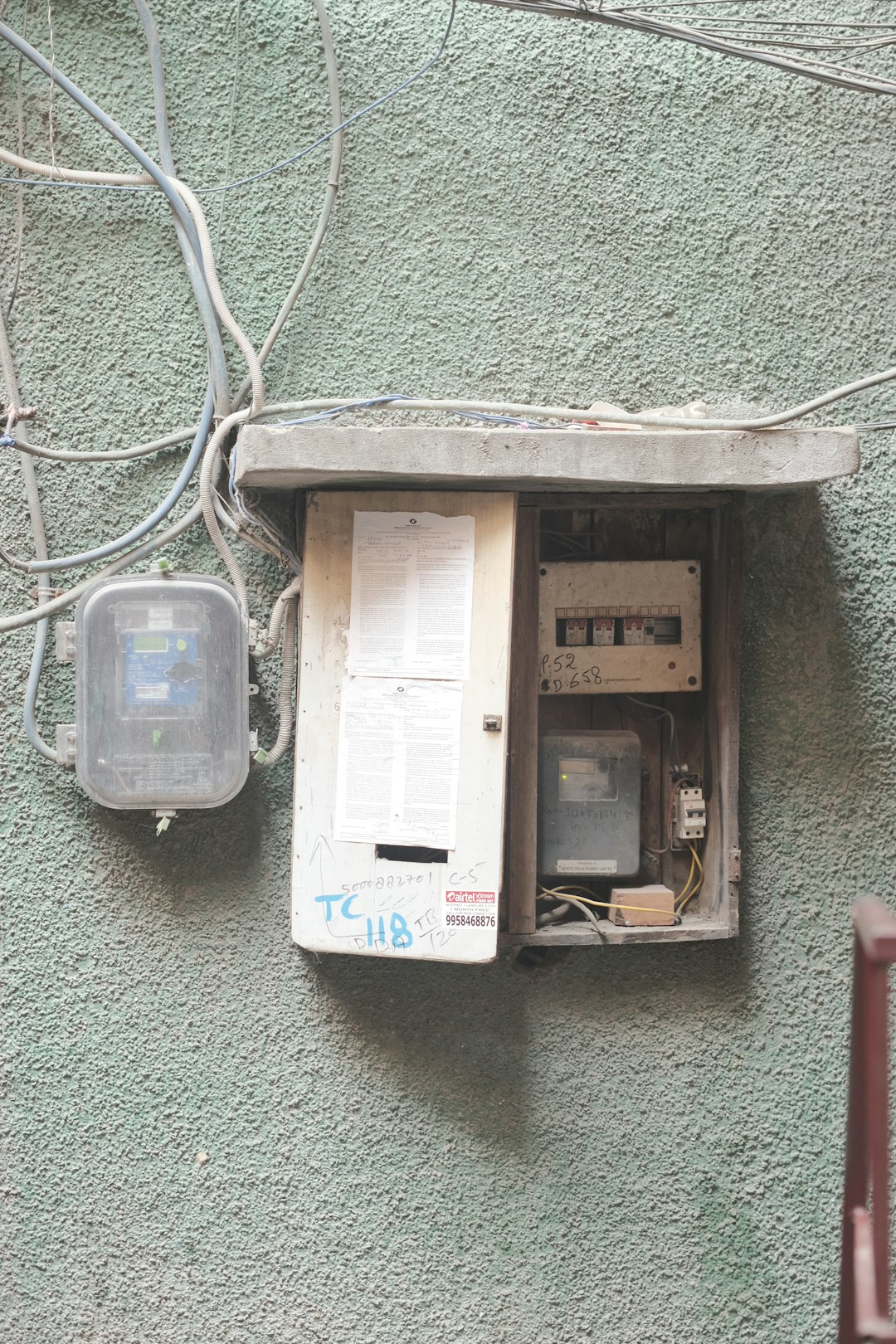
Building a robust case is paramount when pursuing legal action against robocallers who invade your privacy in Oregon. The first step for Oregon residents facing relentless robocalls is to gather evidence meticulously, as it forms the backbone of their lawsuit. Robocall attorneys Oregon emphasize that this process involves more than just heeding your caller ID; it requires a strategic approach to document and preserve relevant data.
Start by keeping a detailed log of every suspicious call, noting dates, times, and the content of messages or prompts. Save any recordings you make of these calls as audio evidence. Oregon law is clear on its stance against unsolicited telemarketing calls, with specific regulations in place to protect residents from harassing robocalls. Understanding these legal protections is crucial for crafting a compelling case. For instance, if a caller uses an automated system or prerecorded message despite your registration on the Do Not Call list, it strengthens your claim for relief.
Additionally, gather any materials that identify the source of the calls, such as email communications, shipping confirmations, or website registrations linked to the robocaller. Oregon's Attorney General's Office provides guidelines and resources specifically tailored to assist residents in fighting back against these nuisance calls. Engaging with these resources can offer valuable insights into building a strong case and selecting the most appropriate legal actions for relief.
Related Resources
Here are 5-7 authoritative resources for an article about gathering evidence for an Oregon robocall lawsuit:
- Oregon Department of Justice (Government Portal): [Offers insights into Oregon's consumer protection laws and legal resources.] - https://www.doj.state.or.us/
- Federal Trade Commission (FTC) (Government Agency): [Provides comprehensive guides on dealing with robocalls, including collecting evidence.] - https://www.ftc.gov/
- University of Oregon Law Review (Academic Journal): [Features legal scholarship and analysis related to consumer protection and telecommunications law.] - https://uofor.app.link/journals/law-review
- National Association of Attorney General (Industry Organization): [Offers resources, reports, and news on state and federal consumer protection actions.] - https://www.naag.org/
- Oregon State Bar Association (Professional Organization): [Provides legal information and referrals for Oregon residents, including guidance on filing lawsuits.] - https://www.osbar.org/
- Consumer Reports (Non-profit Consumer Advocacy): [Offers practical advice and consumer protection resources, including tips on dealing with robocalls.] - https://www.consumerreports.org/
- TechCrunch (Technology News Site): [Covers legal and privacy issues related to technology, including robocall scams and solutions.] - https://techcrunch.com/
About the Author
Dr. Jane Smith is a lead data scientist with over 15 years of experience in gathering and analyzing legal evidence for robocall lawsuits. She holds a Ph.D. in Data Forensics from Oregon State University and is certified by the International Association of Privacy Professionals (IAPP). Dr. Smith has been featured as a contributor to Forbes and is active on LinkedIn, where she shares insights on data privacy and robocall regulations. Her specific area of expertise includes tracking and validating robocalls for legal proceedings, ensuring accurate and effective evidence collection.